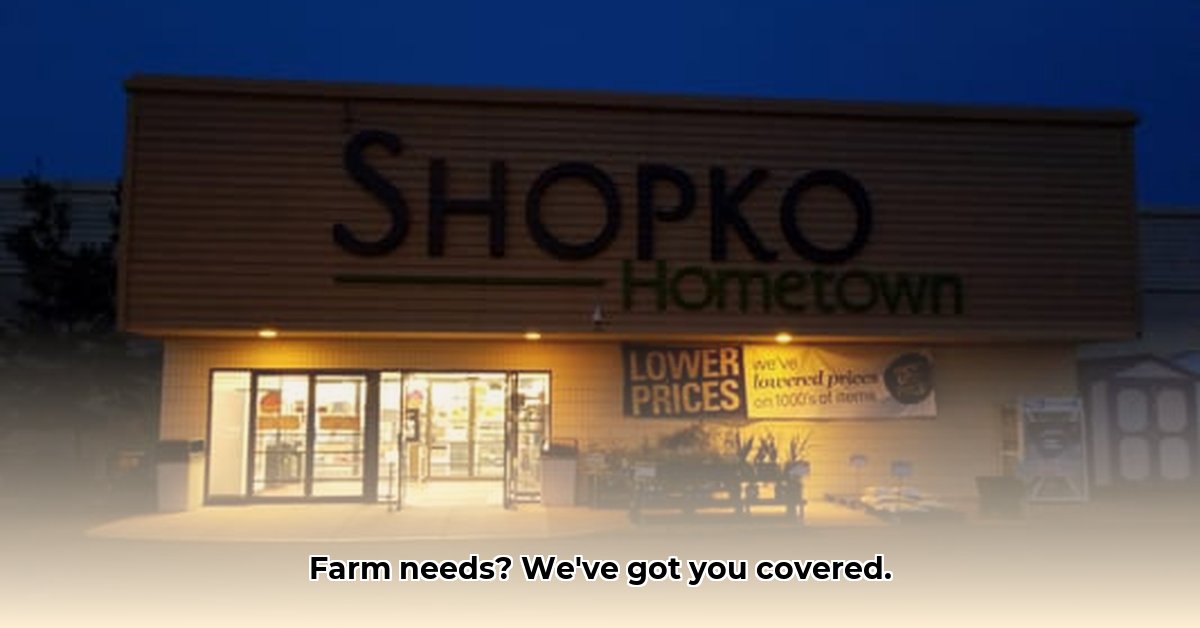
Spooner Tractor Supply serves as a vital resource for farmers and gardeners, providing a wide array of products and services. Its accessibility, particularly in rural areas, makes it a crucial lifeline for agricultural communities. However, a deeper look reveals a need for enhanced focus on sustainable practices. This article examines Spooner Tractor Supply's current role, identifies key challenges and opportunities, and proposes actionable steps to foster a more sustainable future for both the company and its customers. For additional information on plant stands, check out our selection.
Accessibility and the Need for Sustainability
Spooner Tractor Supply's convenience is undeniable. Imagine a critical equipment failure mid-harvest; the immediate availability of replacement parts and supplies offered by Spooner Tractor Supply is invaluable. This readily available resource significantly reduces downtime and supports agricultural productivity. However, the absence of a clearly defined sustainability strategy raises concerns. While the store supplies many essential goods, its overall contribution to sustainable agriculture requires further examination. What percentage of its inventory meets recognized sustainability standards? This question highlights a gap that needs to be addressed.
Does the lack of prominent sustainability initiatives reflect a deliberate business strategy, an oversight, or a delayed prioritization? The absence of readily available information necessitates a more transparent approach.
Taking Action: A Roadmap for Sustainable Agriculture
To bolster sustainable practices within the agricultural sector and improve Spooner Tractor Supply’s supply chain, a multi-faceted strategy is needed.
For Spooner Tractor Supply:
Comprehensive Environmental Audit: A thorough assessment of Spooner Tractor Supply's environmental footprint is paramount. This should encompass every stage of its operations, from sourcing materials to waste management and energy consumption, allowing for a precise understanding of its current impact. This data-driven approach is critical for effective change.
Strategic Sustainability Plan: Once the environmental audit is complete, Spooner Tractor Supply can develop a tailored sustainability plan. This should include sourcing more eco-friendly products (e.g., sustainable packaging, reduced-impact fertilizers), investing in energy-efficient equipment, and implementing robust waste-reduction measures. A timeline with measurable targets, to be reviewed regularly, should be central to this plan.
Customer Education and Engagement: Spooner Tractor Supply should actively promote sustainable farming practices. This could involve in-store displays and educational materials about environmentally-friendly options, online resources, workshops, and collaborations with agricultural experts. Such actions will not only raise customer awareness but also foster a sense of shared responsibility.
For Farmers and Gardeners:
Sustainable Product Selection: Consumers should prioritize purchasing products from companies demonstrably committed to environmental sustainability. Look for certifications such as USDA Organic or other globally recognized sustainability standards. Identifying and supporting these businesses is crucial for encouraging broader adoption of sustainable practices.
Adopting Sustainable Farming Techniques: Farmers should explore and implement sustainable agricultural methods. This includes organic farming practices, water conservation strategies, and soil health improvement techniques. The long-term benefits of these techniques far outweigh any initial adjustments required.
For the Community:
Collective Advocacy: The local community should encourage all businesses, including Spooner Tractor Supply, to adopt more sustainable practices. This might involve supporting local initiatives, engaging in open discussions, and promoting the benefits of environmentally conscious choices within the community.
Supporting Local Initiatives: Supporting local farmers' markets and organizations focused on sustainable agriculture will increase the demand for – and thus the investment in – sustainable practices.
Addressing Challenges and Opportunities
Spooner Tractor Supply operates within a dynamic landscape. Understanding potential risks is vital for creating a robust sustainability plan.
| Risk Category | Likelihood | Impact | Mitigation Strategy |
|---|---|---|---|
| Supply Chain Disruptions | Moderate | High | Diversify suppliers, build strong supplier relationships, implement robust risk management. |
| Negative Publicity | Moderate | Medium | Proactive communication, transparent operations, rapid response to concerns. |
| Increased Competition | High | Medium | Specialize in niche sustainable products, build customer loyalty via exceptional service. |
| Changing Regulations | Moderate | High | Stay updated on regulations, adapt operations accordingly, seek expert legal counsel. |
Building a Sustainable Future Together
Spooner Tractor Supply holds a significant position within its community. By actively addressing these challenges and embracing sustainable practices, it can further solidify its role and contribute to a thriving agricultural sector. However, this necessitates collaboration among the store, farmers, and the wider community – a shared vision for a sustainable future is key. How can we encourage more widespread adoption of these sustainable practices? The answer lies in collective action involving all stakeholders.